

January is when the rubber hits the road regarding your health and fitness. The decorations come down, the leftover cookies disappear, and you step on the scale. It’s estimated that most Americans gain around 5 pounds during the holiday season, and those extra pounds stick around if you don’t address them quickly.
But here’s something most people don’t consider: where you live makes a big difference in how easy it is to get back in shape. Your city either works with you or against you. The availability of quality gyms, walkable neighborhoods, outdoor spaces, and healthy food options can be the deciding factor between success and another failed New Year’s resolution.
With this in mind, we analyzed fitness infrastructure across America’s major cities using real data from Google Maps. The findings measured gym quality and availability, walkability scores, access to parks and nature, and healthy food options. The results reveal which cities make it genuinely easier to drop those holiday pounds and which ones create obstacles at every turn.
Here’s our findings.
Americas healthiest cities
We looked at all across the country and these were the 25 easiest cities to shed that holiday weight and get into shape for 2026.
| wdt_ID | wdt_created_by | wdt_created_at | wdt_last_edited_by | wdt_last_edited_at | City | Total Final Score | Gyms Score | Walkability Score | Nature Score | Healthy Food Score |
|---|---|---|---|---|---|---|---|---|---|---|
| 1 | Paul | 19/01/2026 05:07 PM | Paul | 19/01/2026 05:07 PM | Los Angeles, CA | 92.50 | 21.70 | 22.80 | 26.90 | 21.10 |
| 2 | Paul | 19/01/2026 05:07 PM | Paul | 19/01/2026 05:07 PM | San Diego, CA | 92.40 | 22.70 | 20.30 | 26.10 | 23.30 |
| 3 | Paul | 19/01/2026 05:07 PM | Paul | 19/01/2026 05:07 PM | Seattle, WA | 91.10 | 23.10 | 15.20 | 26.90 | 25.90 |
| 4 | Paul | 19/01/2026 05:07 PM | Paul | 19/01/2026 05:07 PM | Denver, CO | 90.40 | 22.20 | 18.90 | 23.90 | 25.50 |
| 5 | Paul | 19/01/2026 05:07 PM | Paul | 19/01/2026 05:07 PM | Scottsdale, AZ | 89.40 | 21.70 | 20.50 | 22.30 | 25.00 |
| 6 | Paul | 19/01/2026 05:07 PM | Paul | 19/01/2026 05:07 PM | Portland, OR | 89.00 | 21.40 | 15.20 | 27.00 | 25.50 |
| 7 | Paul | 19/01/2026 05:07 PM | Paul | 19/01/2026 05:07 PM | St. Louis, MO | 87.70 | 21.20 | 20.40 | 26.70 | 19.50 |
| 8 | Paul | 19/01/2026 05:07 PM | Paul | 19/01/2026 05:07 PM | Salt Lake City, UT | 87.60 | 22.60 | 18.80 | 22.60 | 23.60 |
| 9 | Paul | 19/01/2026 05:07 PM | Paul | 19/01/2026 05:07 PM | Glendale, CA | 87.20 | 18.80 | 22.10 | 23.00 | 23.30 |
| 10 | Paul | 19/01/2026 05:07 PM | Paul | 19/01/2026 05:07 PM | San Francisco, CA | 86.80 | 20.80 | 19.20 | 24.00 | 22.90 |
| 11 | Paul | 19/01/2026 05:07 PM | Paul | 19/01/2026 05:07 PM | Minneapolis, MN | 86.30 | 21.10 | 20.10 | 23.60 | 21.40 |
| 12 | Paul | 19/01/2026 05:07 PM | Paul | 19/01/2026 05:07 PM | San Jose, CA | 86.10 | 20.60 | 19.30 | 25.10 | 21.00 |
| 13 | Paul | 19/01/2026 05:07 PM | Paul | 19/01/2026 05:07 PM | Austin, TX | 86.00 | 22.90 | 16.90 | 24.60 | 21.70 |
| 14 | Paul | 19/01/2026 05:07 PM | Paul | 19/01/2026 05:07 PM | Atlanta, GA | 85.60 | 22.10 | 17.60 | 21.80 | 24.20 |
| 15 | Paul | 19/01/2026 05:07 PM | Paul | 19/01/2026 05:07 PM | Washington, DC | 82.20 | 20.80 | 12.90 | 23.00 | 25.60 |
| 16 | Paul | 19/01/2026 05:07 PM | Paul | 19/01/2026 05:07 PM | Boston, MA | 82.10 | 19.90 | 18.20 | 22.50 | 21.50 |
| 17 | Paul | 19/01/2026 05:07 PM | Paul | 19/01/2026 05:07 PM | New York, NY | 80.50 | 22.10 | 10.40 | 28.10 | 19.90 |
| 18 | Paul | 19/01/2026 05:07 PM | Paul | 19/01/2026 05:07 PM | Fremont, CA | 80.30 | 21.80 | 15.00 | 20.30 | 23.20 |
| 19 | Paul | 19/01/2026 05:07 PM | Paul | 19/01/2026 05:07 PM | Irvine, CA | 79.70 | 20.50 | 19.00 | 19.90 | 20.40 |
| 20 | Paul | 19/01/2026 05:07 PM | Paul | 19/01/2026 05:07 PM | Oakland, CA | 77.50 | 18.90 | 16.20 | 21.40 | 20.90 |
| 21 | Paul | 19/01/2026 05:07 PM | Paul | 19/01/2026 05:07 PM | Pittsburgh, PA | 76.80 | 21.50 | 12.10 | 22.20 | 21.00 |
| 22 | Paul | 19/01/2026 05:07 PM | Paul | 19/01/2026 05:07 PM | Madison, WI | 76.20 | 20.70 | 13.40 | 20.20 | 21.90 |
| 23 | Paul | 19/01/2026 05:07 PM | Paul | 19/01/2026 05:07 PM | Huntington Beach, CA | 75.10 | 20.90 | 13.60 | 16.60 | 24.00 |
| 24 | Paul | 19/01/2026 05:07 PM | Paul | 19/01/2026 05:07 PM | Honolulu, HI | 75.10 | 17.00 | 21.10 | 20.60 | 16.50 |
| 25 | Paul | 19/01/2026 05:07 PM | Paul | 19/01/2026 05:07 PM | South Burlington, VT | 73.50 | 19.70 | 11.30 | 16.50 | 25.90 |
| City | Total Final Score | Gyms Score | Walkability Score | Nature Score | Healthy Food Score |
* Full data available on request.
Los Angeles Crowned America’s #1 City for Weight Loss – Outranks 99 Major Cities Nationwide
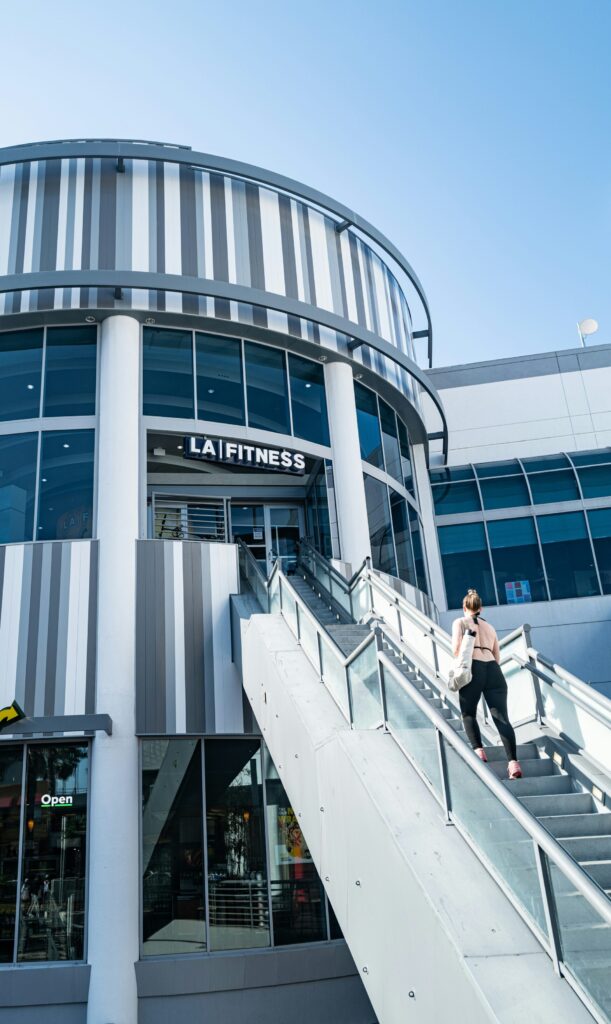
Say what you want about LA’s obsession with appearance, but that vanity culture created real fitness infrastructure. Los Angeles ranked first overall, and the “Hollywood effect” shows up in the data. The city analyzed 75 top-rated fitness centers, averaging 4.42 stars with hundreds of thousands of total reviews. When entertainment industry professionals and aspiring actors prioritize appearance, the fitness industry responds with quality facilities available to everyone.
Places like Gold’s Gym Venice (4.6 stars, 1,458 reviews) and Fitness 19 (4.8 stars, 1,288 reviews) prove the point. These aren’t budget facilities barely getting by. They’re gyms where people serious about fitness can find quality equipment and training. That competition raises standards across the market.
The outdoor infrastructure backs up the beach body culture too. Los Angeles features 98 parks in the study, with Griffith Park alone drawing 69,291 Google reviews. When looking good matters to a significant portion of the population, cities build infrastructure to support it. Exposition Park adds another 16,223 reviews, creating multiple options for outdoor activity.
Finding healthy food doesn’t require a treasure hunt either. The city has 67 highly-rated healthy restaurants and grocery stores in the analysis. Whole Foods locations average 4.4 stars with thousands of reviews. Simply Wholesome pulls 4.6 stars from 1,385 reviewers. In a city where many professionals consider appearance part of their career, restaurants offering healthy options thrive.
Los Angeles scored highest in walkability among analyzed neighborhoods too. The city’s mixed-use areas mean you can often walk to the gym, grab a healthy meal, and explore a park without getting in your car. Hollywood’s beauty standards created an ecosystem where fitness infrastructure is abundant.
San Diego’s Year-Round Beach Culture Delivers Results: City Ranks #2 Nationally for Weight Loss
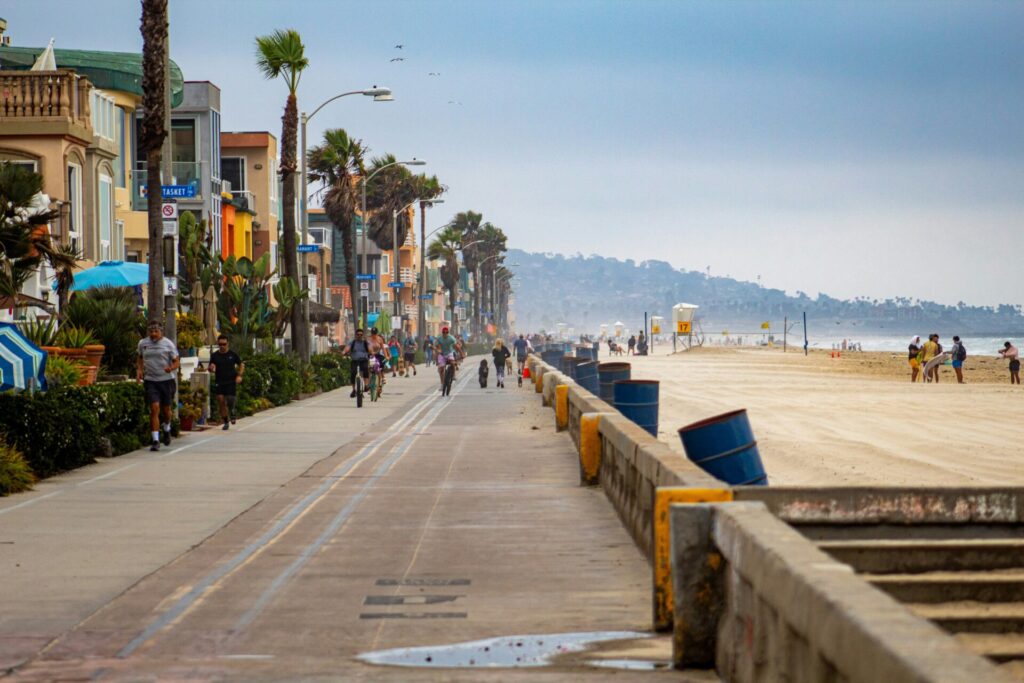
San Diego came in second, proving that constant sunshine and beach culture create relentless fitness pressure for those who engage with it. When beach season never ends, the motivation to stay in shape stays higher for fitness-minded residents. The study identified 75 top fitness centers averaging 4.60 stars, with facilities like EōS Fitness (4.4 stars, 1,741 reviews) and REVEL FIT CLUB (4.8 stars, 758 reviews) catering to a population where outdoor lifestyle remains accessible year-round.
Balboa Park dominates the outdoor scene with 77,689 Google reviews and a 4.6-star rating. Mission Bay Park adds another 25,047 reviews. These aren’t quiet neighborhood parks. They’re major recreational destinations where active residents run, bike, surf, and play beach volleyball daily. The visibility of fitness culture creates an invisible social pressure that many residents embrace.
The healthy food scene scored particularly high in the analysis too. San Diego’s 59 analyzed restaurants and grocery stores maintain strong ratings and prove that eating well doesn’t mean sacrificing taste. The city’s emphasis on fresh, California-style cuisine makes clean eating easily accessible.
Rainy Seattle Stuns Nation: Ranks #3 for Fitness Infrastructure, Crushing Phoenix, Miami, and Other Sun Belt Cities
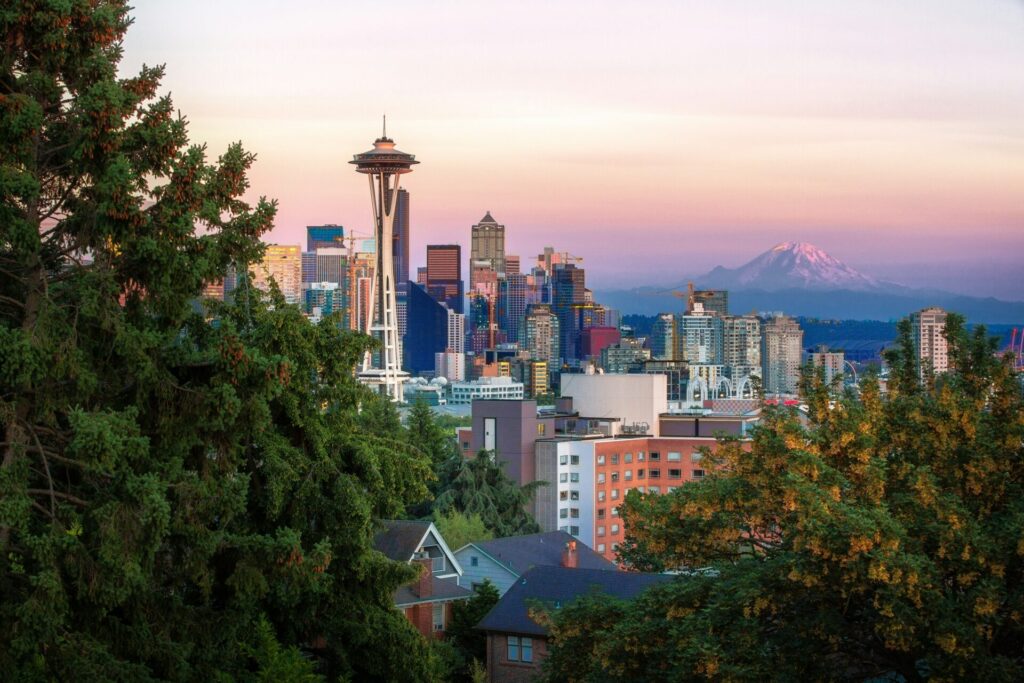
Somewhat surprisingly, Seattle ranked third, destroying the assumption that constant rain keeps people indoors and sedentary. The city’s fitness infrastructure proves weather doesn’t have to be an obstacle. The study analyzed 76 facilities averaging 4.58 stars.
What separates Seattle is how the city built infrastructure that refuses to let weather become an excuse. The data shows 114 parks ranging from small neighborhood greens to major recreational areas. For residents who embrace the outdoor culture, trail running in the rain becomes doable with proper gear.
The city also scored well for walkability in the study. Seattle’s compact urban core means residents can build exercise into their commute or daily routine without needing a gym membership for those who choose to do so. For many residents, walking becomes both transportation and fitness for people who take advantage of the layout.
The data proves Seattle’s reputation for indoor-only activities misses the bigger picture. Rain doesn’t stop fitness infrastructure from existing. Whether residents use it remains an individual choice, but the options are there.
Denver’s Mile-High Altitude Gives Residents Unfair Scientific Advantage – Ranks #4 Nationally for Weight Loss
Denver ranked fourth, and the altitude advantage isn’t marketing hype. Exercising at 5,280 feet burns more calories than the same workout at sea level. Your body works harder just breathing, which means faster results for the same effort. The physiological benefit exists whether you’re training for marathons or just trying to lose holiday weight.
The city’s fitness scene reflects its outdoor enthusiast reputation. The study found 49 highly-rated gyms averaging 4.64 stars. VASA Fitness locations pull massive review counts (2,656 reviews at 4.6 stars), while climbing gyms like Denver Bouldering Club Central (4.7 stars, 455 reviews) and Movement RiNo (4.8 stars, 427 reviews) cater to residents who embrace mountain culture.
Denver has 106 parks, more than most cities its size. The parks range from urban spaces to mountain access points where dedicated hikers can summit a 14,000-foot peak before lunch if they start early enough. The city’s bike infrastructure scored high in walkability analysis too, creating multiple ways to stay active beyond traditional gym workouts.
The healthy food scene exceeded expectations with 79 analyzed restaurants and markets. True Food Kitchen (4.6 stars, 3,967 reviews) and multiple Trader Joe’s locations (4.6 stars, 4,675+ reviews) prove you can eat clean without spending your entire paycheck. Denver makes healthy living accessible instead of treating it as a luxury.

Scottsdale Defeats Major Metro Areas: Wealthy Desert City Ranks #5, Ahead of Chicago, Boston, New York
Scottsdale ranked fifth, bringing desert luxury and longevity-focused culture together. The city attracts retirees and health-conscious residents with money to spend on wellness. That demographic creates demand for top-tier fitness facilities. The study analyzed 46 gyms averaging 4.59 stars, with many facilities offering resort-style amenities that appeal to people who value comfort alongside fitness.
The city scored exceptionally high for outdoor spaces in the analysis. Desert preserves and mountain parks create unique workout environments you won’t find in coastal cities. Hiking becomes intense when you’re climbing desert trails in dry heat that makes you sweat from the moment you step outside.
Scottsdale’s healthy food scene reflects the area’s wellness-oriented demographics. The analyzed restaurants average 4.51 stars, with many focusing on fresh, organic ingredients and anti-aging superfoods. The market caters to health-conscious customers who create demand for these options.
The city’s winter visitor population reinforces the availability of fitness options. Snowbirds escaping cold weather bring spending power that keeps quality facilities in business year-round.

Portland’s Bike-Obsessed Hipsters Vindicated: City Ranks #6 Nationally, Proving Cycling Infrastructure Actually Works
Portland came in sixth, and the city’s reputation for bicycles and sustainability translates directly into good health infrastructure. The study analyzed 63 facilities averaging 4.62 stars, but the real story shows up in the walkability and bike infrastructure data. Portland scored as one of the most bike-friendly cities in the entire analysis, creating options for residents who want to bike instead of drive.
The city features 109 analyzed parks, with strong ratings and substantial review counts proving these are active community spaces for those who use them. Forest Park alone provides over 5,000 acres of wilderness within city limits. When a city prioritizes green space over parking lots, outdoor fitness becomes more accessible.
Portland’s food scene scored high too, with 61 analyzed healthy restaurants averaging 4.44 stars. The city’s famous food cart culture includes plenty of healthy options, and the emphasis on local, organic ingredients makes eating clean accessible for those who prioritize it. Farm-to-table isn’t a marketing gimmick here – the options genuinely exist.
The bike infrastructure deserves special attention. Portland invested in protected bike lanes, bike share programs, and cycling infrastructure that makes cars optional for residents who choose that lifestyle. When biking becomes easier than driving for daily errands, it can burn calories without requiring dedicated workout time. The infrastructure supports that choice.

St. Louis Humiliates Coastal Elite: Midwest City Ranks #7, Delivering Better Fitness Infrastructure Than NYC and Boston Combined
St. Louis ranked seventh, delivering quality fitness infrastructure at more affordable prices than many coastal cities. The study found 75 fitness centers averaging 4.69 stars – one of the highest average ratings in the entire analysis. But these aren’t budget gyms barely surviving. They’re quality facilities that earn genuine member satisfaction, and membership costs less than comparable coastal facilities.
The city analyzed 97 parks, and the variety stands out. St. Louis offers everything from urban green spaces to larger recreational areas with extensive trail systems. Forest Park rivals major parks in bigger cities but without the same overcrowding issues. Access to outdoor space comes easier here.
The healthy food infrastructure scored well too, with 57 analyzed options averaging 4.49 stars. St. Louis combines Midwest affordability with growing availability of health-conscious options. You get access to quality facilities and food at more affordable prices than coastal markets.
The data proves a point: expensive cities don’t automatically equal better fitness infrastructure. St. Louis delivers comparable or better gym quality, more accessible parks, and healthy food options at a fraction of the cost for residents who choose to use them.

Salt Lake City’s Clean Living Culture Pays Off: Ranks #8 Nationally, Outperforming Cities Triple Its Size
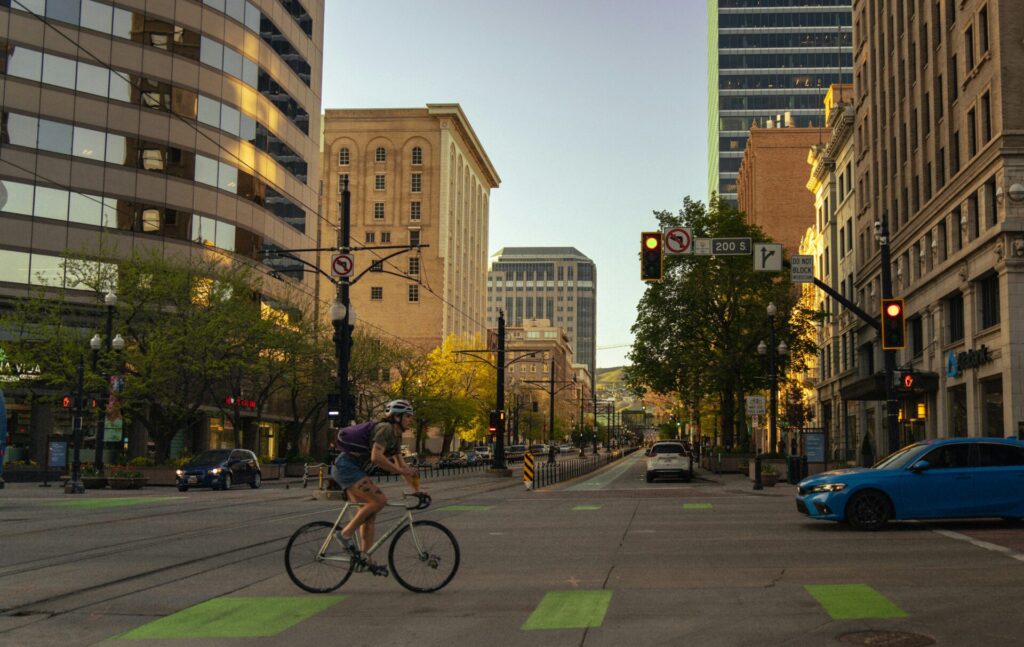
Salt Lake City came in eighth, bringing cultural values that emphasize health alongside world-class outdoor access. The city’s predominant culture includes emphasis on clean living and physical wellness, which influences available fitness infrastructure. The study analyzed 66 gyms averaging 4.60 stars, and mountain recreation options complement traditional facilities for those who engage with outdoor activities.
The city featured 86 parks in our dataset, with many serving as trailheads into the surrounding mountains. For dedicated outdoor enthusiasts, you can summit a peak before work if you wake up early enough. The infrastructure supports an outdoor-focused lifestyle for residents who choose it.
Salt Lake City’s walkability scored high in the analyzed neighborhoods too. The city’s grid system and growing urban core make it easier to walk or bike for transportation, building activity into daily routines for those who take advantage of the layout.
The combination of cultural emphasis on wellness, mountain access, and growing urban infrastructure creates an environment where fitness options are readily available.
Glendale Cracks National Top 10: LA-Quality Fitness Infrastructure Without Hollywood Price Tags
Glendale ranked ninth, offering access to similar fitness infrastructure as Los Angeles at lower housing costs. The study analyzed 27 gyms averaging 4.35 stars, and the city’s location means residents can also access nearby Los Angeles facilities and parks when desired.
Glendale scored particularly high for walkability in the analysis. The city’s urban layout puts gyms, parks, and healthy food within walking distance for many residents. This convenience can increase consistency for people who opt for an active lifestyle. When the gym is 10 minutes away on foot, the barrier to entry drops.
The city analyzed 54 parks and 28 healthy restaurants, creating variety for residents who want options. Southern California weather means outdoor exercise works year-round for those who take advantage of it, and Glendale provides infrastructure to support that choice.

San Francisco’s Brutal Hills Worth the Pain: City Ranks #10 Despite Nation’s Highest Gym Costs
San Francisco rounded out the top 10, bringing high-quality infrastructure at premium prices. The study analyzed 80 gyms averaging 4.44 stars. The density means you’re never far from a quality facility, but membership costs reflect San Francisco’s high cost of living.
The city features 91 analyzed parks despite limited space. San Francisco maximizes every available green zone, and the city’s walkability scored highest in the entire study. Those hills everyone complains about turn every walk into a more intense cardiovascular workout for people who walk regularly. You don’t need a StairMaster when geography provides natural resistance training.
San Francisco analyzed 53 healthy food options, averaging 4.56 stars. The city’s health-conscious tech culture influences available restaurant options, farmfarmers’kets, and grocery stores. Finding clean food is easy. Affording it becomes the bigger challenge due to the overall cost of living.
The tech influence creates interesting dynamics around fitness tracking and optimization among those engaged in that culture.

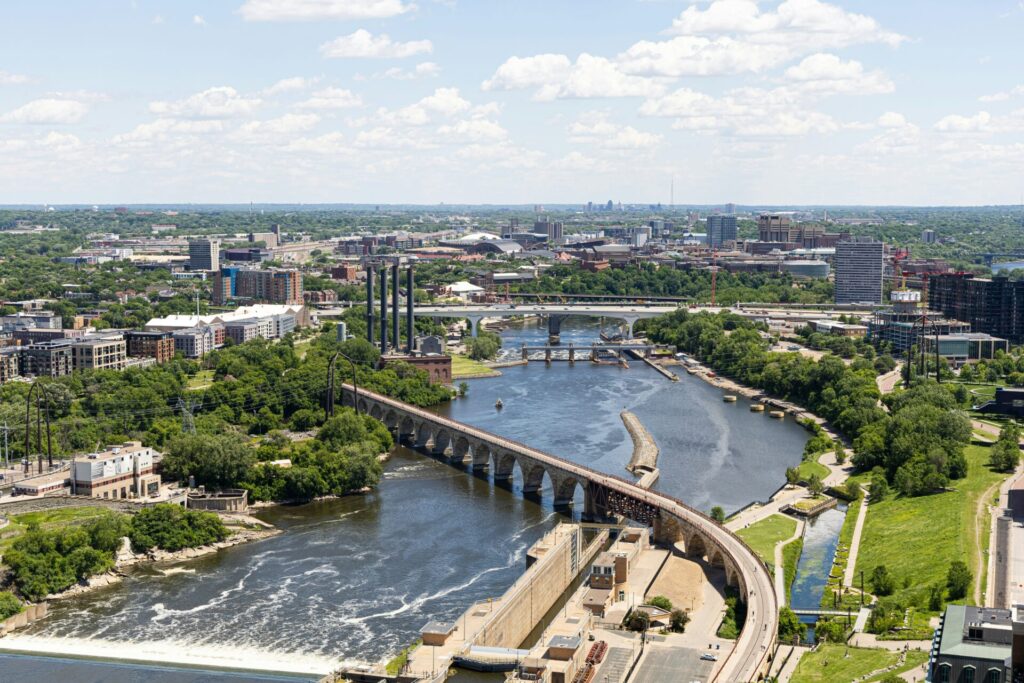
Minneapolis Winter Warriors Proven Right: Frigid City Ranks #11, Beating Warm-Weather Cities at Their Own Game
Minneapolis ranked 11th, proving cold weather doesn’t prevent quality fitness infrastructure. The city built facilities and systems that work despite harsh winters. The study analyzed 55 facilities averaging 4.60 stars, with extensive indoor options for brutal winter months.
The city features 114 analyzed parks, more than almost any other city in the study. Minneapolis maintains winter infrastructure, including trail maintenance and ice skating rinks for residents who stay active year-round. The commitment to winter usability shows in the investment.
Minneapolis invests in protected bike lanes and year-round maintenance, including snow removal from bike paths. That level of commitment to cycling infrastructure in a city with serious winters demonstrates dedication, though whether individual residents bike through winter remains a personal choice.
The cold creates self-selection. People who stay in Minneapolis either adapt to outdoor winter activities or focus on indoor fitness options. The infrastructure supports both approaches.
Silicon Valley Optimization Obsession Works: San Jose Ranks #12 as Tech Money Fuels Fitness Arms Race
San Jose came in 12th, offering quality fitness infrastructure influenced by Silicon Valley’s presence. The study analyzed 90 gyms averaging 4.47 stars, and tech industry money keeps facilities modern and well-equipped. The competitive culture that drives tech innovation can extend to personal fitness for some residents.
The city features 93 analyzed parks and solid walkability scores in tech-heavy neighborhoods. San Jose’s sprawl creates challenges, but ongoing urban development in downtown areas steadily improves pedestrian infrastructure. For residents who prioritize fitness tracking and optimization, the culture supports that approach.
San Jose analyzed 62 healthy restaurants averaging 4.48 stars. The city’s diverse population creates variety in healthy food options, from Vietnamese pho to Mexican seafood to farm-to-table California cuisine. Tech money supports restaurant quality, and demand for healthy options keeps these businesses viable.
The competitive culture influences available fitness options. The infrastructure exists for residents who want to track, measure, and optimize their fitness, though not everyone in Silicon Valley shares that intensity.
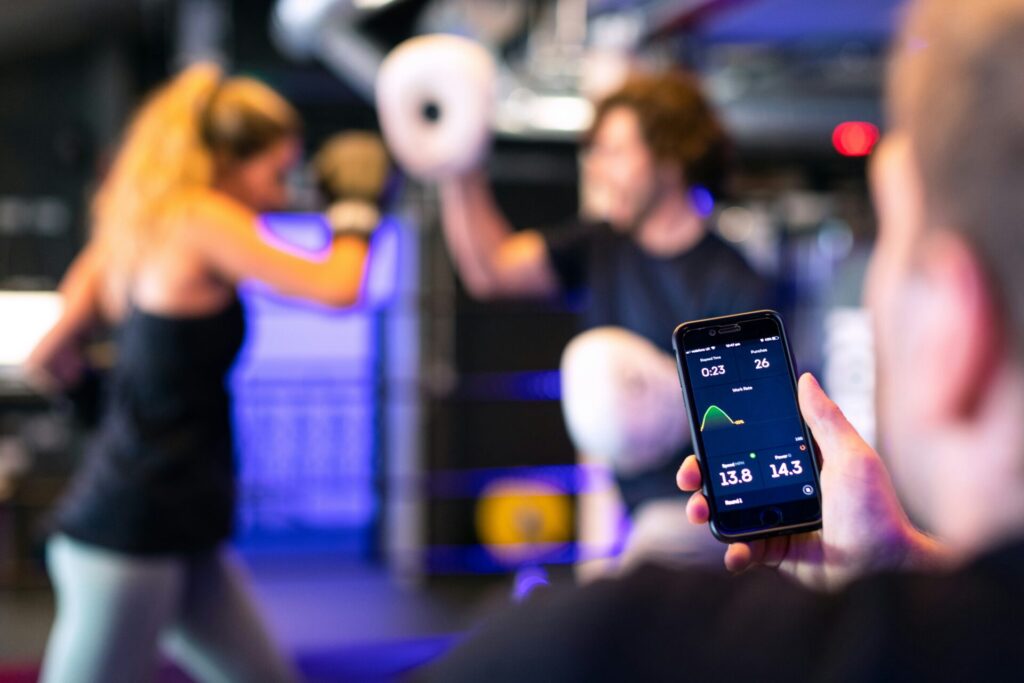
Austin’s “Keep It Weird” Philosophy Extends to Fitness: City Ranks #13 with Unconventional Workout Culture
Austin ranked 13th, offering diverse fitness options that go beyond traditional gyms. The study analyzed 80 facilities averaging 4.58 stars, and a variety shows up in the types available. Traditional facilities exist alongside rock climbing gyms, aerial yoga studios, and parkour training centers for people seeking alternatives to standard workouts.
The city features 102 analyzed parks, with many connected by the extensive trail system. The Ann and Roy Butler Hike-and-Bike Trail around Lady Bird Lake alone provides 10 miles of scenic workout space in the heart of downtown for people who use it. The outdoor spaces support recreation and fitness.
Austin’s food scene scored high with 40 analyzed healthy options averaging 4.26 stars. The city’s famous food truck culture includes healthy choices alongside the barbecue scene. The farm-to-table movement provides access to fresh, local ingredients for residents who prioritize that.
The laid-back culture may reduce some intensity around fitness compared to more competitive cities, but the infrastructure does support fitness without quite the same pressure as other cities.

Atlanta’s New South Transformation Complete: Business Hub Ranks #14 as Fitness Becomes Professional Currency
Atlanta came in 14th, reflecting urban development that prioritizes walkable, fitness-friendly infrastructure. The study analyzed 65 facilities averaging 4.58 stars, and the city’s corporate environment includes professionals who view fitness as beneficial to career success. The business culture can influence infrastructure demand.
The city features 81 analyzed parks, including the massive Piedmont Park in Midtown. The BeltLine project transforms old railroad corridors into trails, parks, and transit, creating new opportunities for active transportation and recreation for residents who use them.
Atlanta analyzed 47 healthy restaurants averaging 4.56 stars. Southern food stereotypes don’t capture the full range of available options. Atlanta’s diverse population brings variety, and a growing availability of health-conscious restaurants reflects changing demographics.
The city’s transformation from sprawling suburbs to walkable urban neighborhoods continues. As more development focuses on mixed-use areas, fitness becomes more accessible as part of daily life for residents who choose walkable neighborhoods.
Washington DC’s Power Players Take Fitness Seriously: Nation’s Capital Ranks #15 as Gyms Become Networking Hubs
Washington DC ranked 15th, offering dense fitness infrastructure that serves a competitive, ambitious population. The study analyzed 110 facilities averaging 4.50 stars, and the density reflects demand from professionals who value fitness. For some residents, early morning gym sessions double as networking opportunities.
The city features 61 analyzed parks, including the National Mall and Rock Creek Park. These spaces provide quality workout environments at no cost. The extensive bike lanes and Capital Bikeshare system make cycling a viable option for transportation and fitness for residents who choose to bike.
The city’s international presence creates diverse healthy food options, from Ethiopian to Vietnamese to modern American cuisine focused on vegetables and lean proteins. Professional culture supports quality restaurants.

How This Study Found the Best Cities
This analysis examined fitness infrastructure in America’s major cities using real-world data from Google Maps. The methodology focused on four key categories: gym quality and availability, walkability infrastructure, parks and outdoor spaces, and healthy food options.
For gyms, the study identified top-rated fitness centers in each city and calculated average ratings based on thousands of user reviews. Only facilities with substantial review counts made the cut, ensuring ratings reflected real user experiences rather than a handful of opinions.
Walkability analysis examined highly-rated pedestrian-friendly areas, calculating average scores based on user ratings and review volume. The focus was on neighborhoods where people actually walk regularly, not just areas marked as pedestrian zones on paper.
Parks and outdoor spaces received similar treatment. The study identified highly-rated parks, trails, and natural areas, prioritizing spaces with high user engagement shown through review counts. A park with 50,000 reviews tells you more than one with 50, regardless of ratings.
Healthy food availability looked at grocery stores, farmers’ markets, and restaurants, focusing on fresh, nutritious ingredients. Again, the emphasis was on user ratings and review volume. A restaurant with thousands of positive reviews proves people actually eat there and like it.
Each city received a composite score based on these four categories, weighted to reflect their importance for someone trying to lose weight and improve fitness. The final rankings show which cities provide the best overall environment for getting back in shape after the holidays.
Geography Isn’t Everything, But It Does Matter
Location isn’t destiny when it comes to health and fitness, but it influences options. You can lose weight anywhere with enough determination, but some cities make it easier than others through available infrastructure. When your neighborhood has walkable streets, quality gyms, accessible parks, and healthy food options within reach, fitness can become part of your routine more naturally than fighting against your environment.
The cities at the top of this ranking share common traits. They invested in infrastructure that supports active living for residents who choose to use it. They maintain parks that attract users, support quality gyms and create neighborhoods where walking makes sense for daily errands.
If you live in one of these top cities, you have built-in advantages through available infrastructure for dropping those holiday pounds. Of course, you still need to put in the effort, though. Either way, January is the perfect time to shed those extra holiday pounds, and having a city working with you, rather than against you, can make all the difference.